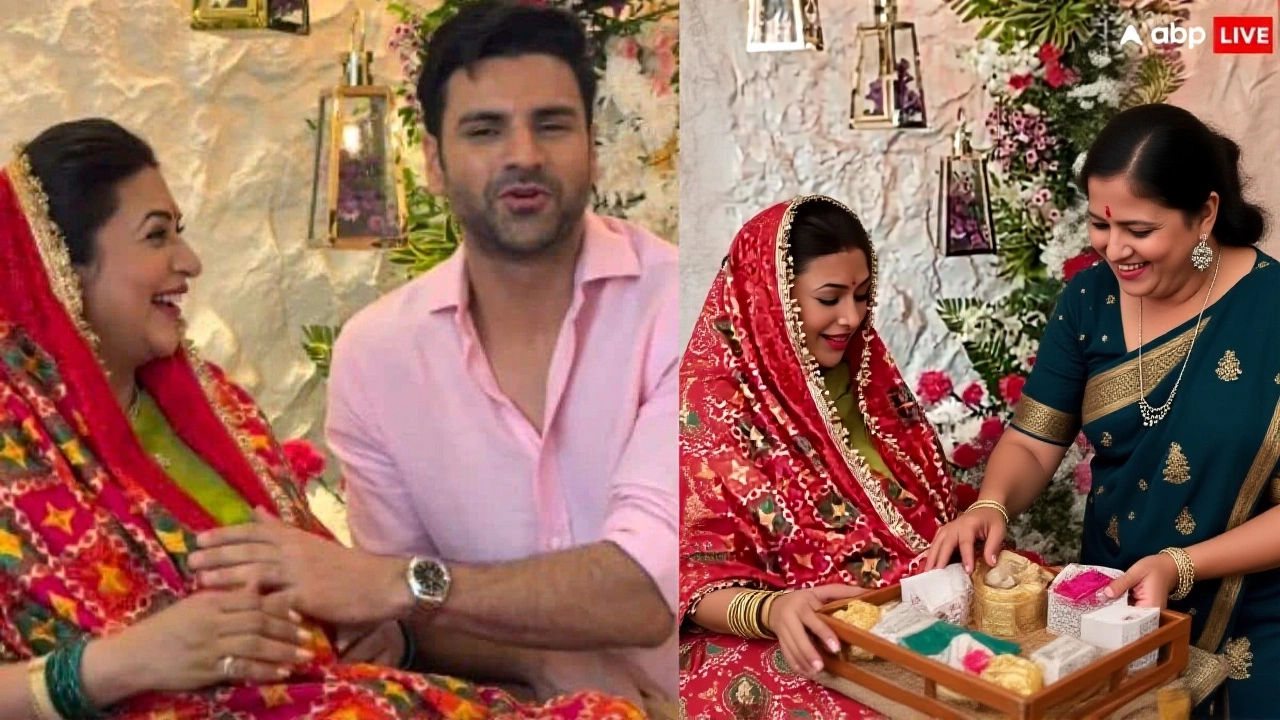
When Divyanka Tripathi, the beloved Indian television actress known for her role in Sasural Simar Ka, recently opened up about her pregnancy, she didn't just share ultrasound photos. She shared a philosophy. The actress is actively practicing Garbh Sanskar, an ancient Indian tradition of prenatal care involving music, poetry, and positive affirmations to nurture the unborn child.
The news broke across major platforms like Aaj Tak, ABP Live, and Navbharat Times on March 30, 2026. It’s been ten years since her marriage, and now, as she prepares to become a mother, Tripathi is turning her personal journey into a public conversation about maternal wellness and emotional balance.
The Art of Garbh Sanskar
Here’s the thing: Garbh Sanskar isn’t just a buzzword in Indian households. It’s a deeply rooted practice suggesting that a fetus can hear and feel emotions from the womb. Tripathi admits she’s skeptical about the science behind it but embraces the ritual for its mental benefits.
"People talk a lot about Garbh Sanskar," Tripathi told reporters. "I don’t know how scientifically accurate it is or if the baby really hears everything inside the womb." Yet, she continues the practice. When the baby kicks—a sign of growing strength—she responds by reciting poetry. It’s a tender interaction, a way to bond before birth. She believes this routine aids the child’s growth, linking the concept directly to developmental well-being.
This approach contrasts with Western prenatal advice, which often focuses solely on physical health metrics. Tripathi’s method adds an emotional layer, emphasizing that what the mother feels and hears matters just as much as what she eats.
Physical Wellness and Daily Routines
But it’s not all poetry and patience. The actress is also disciplined about her physical health. According to reports from Navbharat Times, Tripathi walks for 30 to 45 minutes every day. She even recorded a vlog while walking on her rooftop, using the time to connect with her fans.
"Actually, I was thinking of talking to you all while walking on the roof," she said. "After all, it’s advisable to walk for at least 30 to 45 minutes every day, as much as possible."
This daily exercise isn’t just for fitness; it’s a coping mechanism for fatigue. In an interview with ABP Live, she revealed a recent incident where exhaustion hit hard. "A few days ago, I got very tired and went to sleep. Thank goodness the baby started kicking, so I could feel the kicks," she explained. The movement became a reassuring signal of life amidst the weariness of pregnancy.
Fan Love and Emotional Balance
Tripathi’s openness has resonated deeply with her audience. The outpouring of support has taught her a valuable lesson, one she intends to pass on to her child. "People have given me so much love, so what have I learned? Always remain compassionate," she shared.
This sentiment underscores the broader theme of her pregnancy journey: emotional equilibrium. In videos uploaded to DailyMotion and YouTube, she stresses the importance of mental and emotional balance during gestation. It’s not just about carrying a baby; it’s about nurturing a mindset of positivity and kindness.
Her transparency offers a refreshing counter-narrative to the polished, perfect images often seen in celebrity culture. Here’s a woman admitting uncertainty, sharing fatigue, and finding joy in simple moments like rooftop walks and baby kicks.

Broader Implications for Maternal Health
Why does this matter? Because Tripathi’s story highlights a shift in how Indian celebrities discuss pregnancy. It’s moving away from secrecy toward education and connection. By discussing Garbh Sanskar, she introduces traditional practices to a modern audience, sparking conversations about their relevance today.
Experts note that while the scientific evidence for fetal hearing is nuanced, the psychological benefits for the mother are clear. Practices that reduce stress and promote bonding can lead to better outcomes for both parent and child. Tripathi’s journey validates these practices in a mainstream context, encouraging other expectant mothers to prioritize their mental well-being alongside physical health.
What's Next?
As Tripathi approaches her due date, fans are eagerly awaiting updates. Her consistent sharing of experiences—from cravings to kicks—has built a community around her journey. We can expect more insights into her preparations for motherhood, potentially including tips on postpartum care and balancing career with family life.
The details of her delivery plans remain private, but her focus on compassion and balance suggests she’s preparing for a mindful transition into parenthood. This story isn’t just about a celebrity baby; it’s a reminder of the universal human experience of bringing new life into the world.
Frequently Asked Questions
What is Garbh Sanskar?
Garbh Sanskar is an ancient Indian prenatal care practice that involves listening to classical music, reciting poetry, and maintaining positive thoughts to influence the unborn child's development. It aims to create a harmonious environment in the womb, promoting emotional and intellectual growth for the baby.
How long has Divyanka Tripathi been married?
Divyanka Tripathi has been married for ten years. She is expecting her first child after a decade of marriage, marking a significant milestone in her personal life and career.
Does Divyanka believe in the science behind Garbh Sanskar?
Tripathi has expressed skepticism about the scientific accuracy of whether babies hear everything in the womb. However, she practices Garbh Sanskar for its emotional benefits and the sense of bonding it provides, valuing the positive impact on her mental state.
What is Divyanka Tripathi's daily exercise routine during pregnancy?
She aims to walk for 30 to 45 minutes every day. This routine helps manage fatigue and maintains physical health. She often uses this time to connect with fans via vlogs, sharing her journey openly.
How does she handle baby kicks?
When the baby kicks, Tripathi recites poetry to soothe the child. She views the kicks as a sign of the baby's strength and vitality, especially noting them during times when she felt exhausted and needed reassurance.