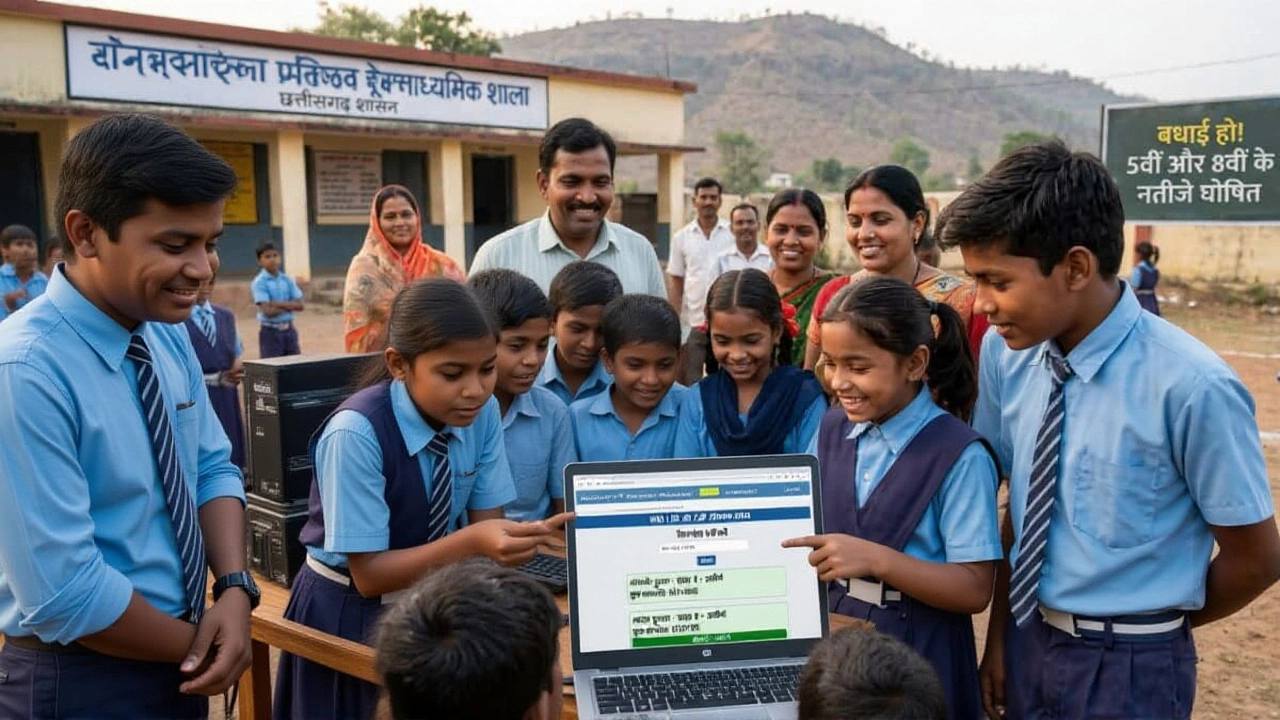
For millions of Indian parents, the scramble for a seat in private schools isn't just about prestige—it's often a legal right. Under the Right to Education Act 2009, 25% of seats in private institutions are reserved for children from weaker sections. This year, the clock is ticking. With applications opening across multiple states in early 2026, confusion over dates and documents could cost families their chance.
Here’s the thing: while some states have locked in strict deadlines, others are still finalizing guidelines. If you're navigating this maze, timing is everything. A single day’s delay in age verification or document upload can disqualify an applicant. Let’s break down what you need to know before the portals close.
The UP Timeline: Three Phases, Zero Flexibility
In Uttar Pradesh, the education department has structured the 2026-27 admission cycle into three distinct phases. This phased approach aims to reduce server load and give parents multiple windows to apply. However, the rules are rigid.
- Phase 1: February 2, 2026, to February 16, 2026
- Phase 2: February 21, 2026, to March 7, 2026
- Phase 3: March 12, 2026, to March 25, 2026
But wait—there’s conflicting information circulating online. Some educational influencers cite a separate timeline where applications run from February 20 to March 4, with a lottery scheduled for March 6. The official government portal remains the only source of truth here. Schools must update their profiles by February 17, 2026. If they miss that deadline, they’re out of the loop entirely.
The twist? Age criteria haven’t changed, but enforcement is stricter than ever. For "Double P3" (pre-primary), children must be between 3 and 4 years old. For Class 1, the window is 6 to 7 years. And no, there’s no grace period. Not even one day. If your child turns six on August 1st, but the cutoff requires them to be six by July 31st, the application will be rejected. It sounds harsh, but the system automates this check based on the date of birth entered.
Documents That Make or Break Your Application
You wouldn’t believe how many applications get flagged not because of eligibility, but because of sloppy paperwork. The required documents seem straightforward, yet parents often stumble on technicalities.
First, you need the child’s birth certificate. This isn’t optional. Next, proof of residence. An electricity bill or ration card works, but it must be in the parent’s name. Then comes the income certificate—essential for proving eligibility under the "weaker section" category. Don’t forget Aadhaar cards for both the child and parents. If your family belongs to a Scheduled Caste or Tribe, a caste certificate is mandatory.
Interestingly, digital uploads have specific constraints. Photos must be in JPEG or JPG format, sized between 30KB and 100KB. Too large? Rejected. Too small? Blurry and rejected. It’s these tiny details that trip people up. Experts suggest preparing all scanned documents weeks in advance. When the portal opens, traffic spikes, and patience wears thin.
Navigating the Portal: A Mobile-Friendly Challenge
Not everyone has a desktop computer handy. Fortunately, the UP RTE portal is accessible via mobile, but it’s not intuitive. Here’s the workaround that’s saving thousands of applicants time:
- Open Chrome on your phone.
- Search for the official RTE website.
- Tap the three dots in the top-right corner and select "Desktop Site."
- Click the hamburger menu (three lines) on the left.
- Select "Online Applicant Student Login" then "New Student Registration."
Once inside, you’ll choose your district, area (rural or urban), block, and ward/village. Enter the student’s full name exactly as it appears on the birth certificate. Mismatches here cause delays later. The system auto-selects the class based on the date of birth you enter. You just need to confirm gender and category (e.g., Economically Weaker Section).
It’s clunky, sure. But it works. Just don’t try to fill this out five minutes before the deadline. Server crashes are common during peak hours.

Other States: A Patchwork of Deadlines
While UP leads the charge, other states are playing catch-up—or setting their own pace.
In Rajasthan, applications run from February 20 to March 10, 2026. The state recently migrated its private school portal to the Rajasthan State Data Centre (RSDC). The new URL is rajpsp.rajasthan.gov.in. Old links no longer work. If you’re applying in Rajasthan, double-check your browser address bar.
Chhattisgarh has set its registration window from February 16 to March 31, 2026. Meanwhile, Maharashtra and Gujarat are expected to open applications in late February and April respectively, though exact dates remain tentative. Madhya Pradesh is also targeting March 2026.
This fragmentation means if you’re relocating or considering options across borders, you need to track four different calendars. There’s no unified national dashboard yet. Each state manages its own lottery and priority ranking systems.
Why This Matters Beyond the Classroom
The RTE scheme isn’t just about getting kids into private schools. It’s a social equalizer. By mandating 25% reservation, the law forces integration between socioeconomic groups. Critics argue implementation is flawed—schools sometimes create barriers, or parents lack awareness. Supporters point out that without such mandates, access to quality education would remain exclusive.
As we move into 2026, technology is making the process more transparent. Online lotteries reduce human interference. Digital documentation minimizes fraud. But the burden still falls on parents to stay informed. One missed notification can mean another year of waiting.
Frequently Asked Questions
What happens if I miss the Phase 1 deadline in UP?
You won’t lose your chance entirely. Uttar Pradesh offers three phases. If you miss Phase 1 (ending Feb 16), you can apply in Phase 2 (Feb 21–Mar 7) or Phase 3 (Mar 12–25). However, earlier phases may have higher availability of seats, so delaying increases competition.
Is the age limit strictly enforced?
Yes. The system automatically calculates age based on the date of birth provided. For Class 1, children must be between 6 and 7 years old. There is no flexibility—even one day outside the range results in rejection. Ensure your birth certificate matches the entered date exactly.
Can I apply using my mobile phone?
Yes, but you must enable "Desktop Mode" in your mobile browser (like Chrome) to access the full interface. The mobile view lacks certain navigation menus. Follow the step-by-step guide: search the official site, switch to desktop mode, and navigate through the hamburger menu to register.
Which documents are absolutely essential?
You must have the child’s birth certificate, parents’ income certificate, proof of residence (electricity bill or ration card), and Aadhaar cards for both child and parents. If applicable, include caste certificates. All photos must be JPEG/JPG, 30–100KB. Missing any of these will halt your application.
How does the lottery system work?
After applications close, a computerized lottery determines priority rankings. In UP, this is scheduled for March 6, 2026. Results are published online. Parents receive a priority number, which dictates when they can report to selected schools. Higher priority numbers get first choice of available seats.
Are deadlines same across all Indian states?
No. Each state sets its own timeline. For example, Rajasthan runs Feb 20–Mar 10, while Chhattisgarh goes until March 31. Gujarat and Maharashtra haven’t finalized dates yet. Always check your state’s official education portal for accurate schedules.